

Starting therapy for your child can feel like a big…
Read More
Key Points:
Looking for ways to support your child with autism at home? While you can’t cure autism, you can use home therapies to foster their development. From communication tools to calming routines, find out how to create a loving environment that helps your child navigate challenges and build independence.
No, autism cannot be cured, but home-based therapies can help children develop skills and manage symptoms effectively. These therapies focus on improving communication, social interaction, and behavior while addressing sensory sensitivities. With the right strategies, parents and caregivers can create a supportive environment that fosters growth and independence.
Home therapies are not a replacement for professional intervention but rather a complement to it. By incorporating evidence-based techniques into daily routines, families can empower their children to thrive in a way that feels natural and sustainable.
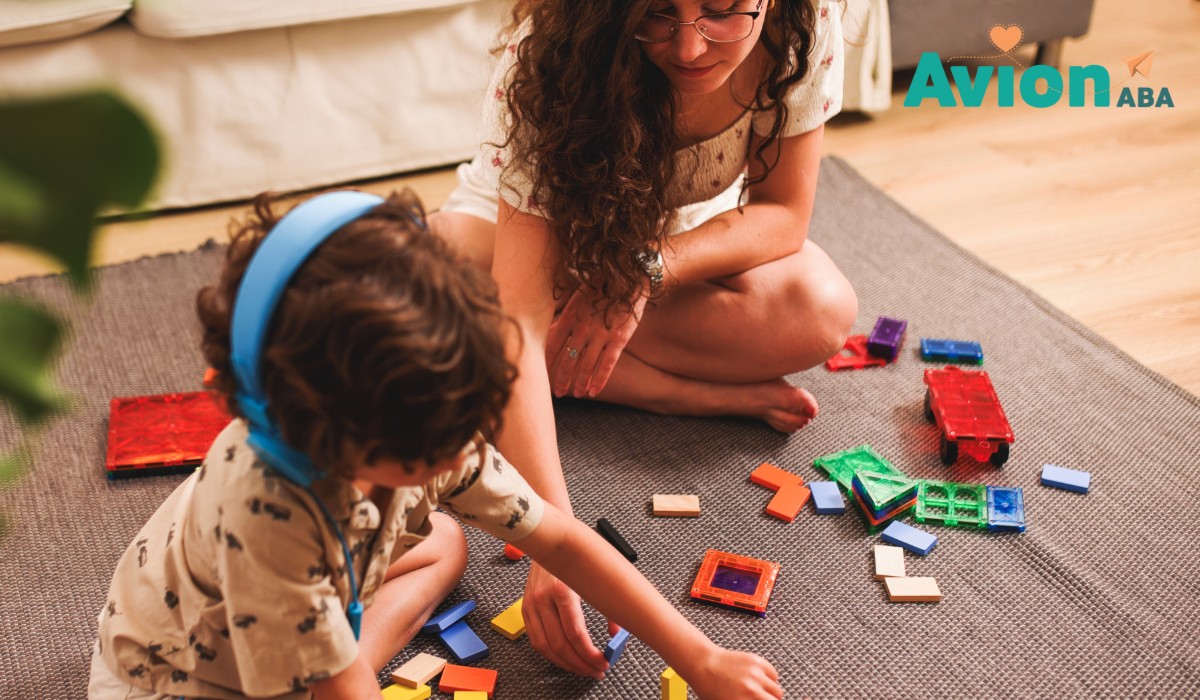
Home is where children feel safest, making it an ideal setting for therapy. Familiar surroundings help reduce anxiety, allowing children to focus on learning and development in a comfortable environment.
Home-based therapies also provide consistency, which is crucial for children with autism. Daily routines and repeated practice of skills in real-life situations reinforce learning and help build independence over time.
Additionally, these therapies can be tailored to your child’s unique needs. Whether it’s practicing communication during meals or using sensory tools to regulate emotions, home strategies are flexible and personalized.
Overall, here are key benefits of home-based autism therapies:
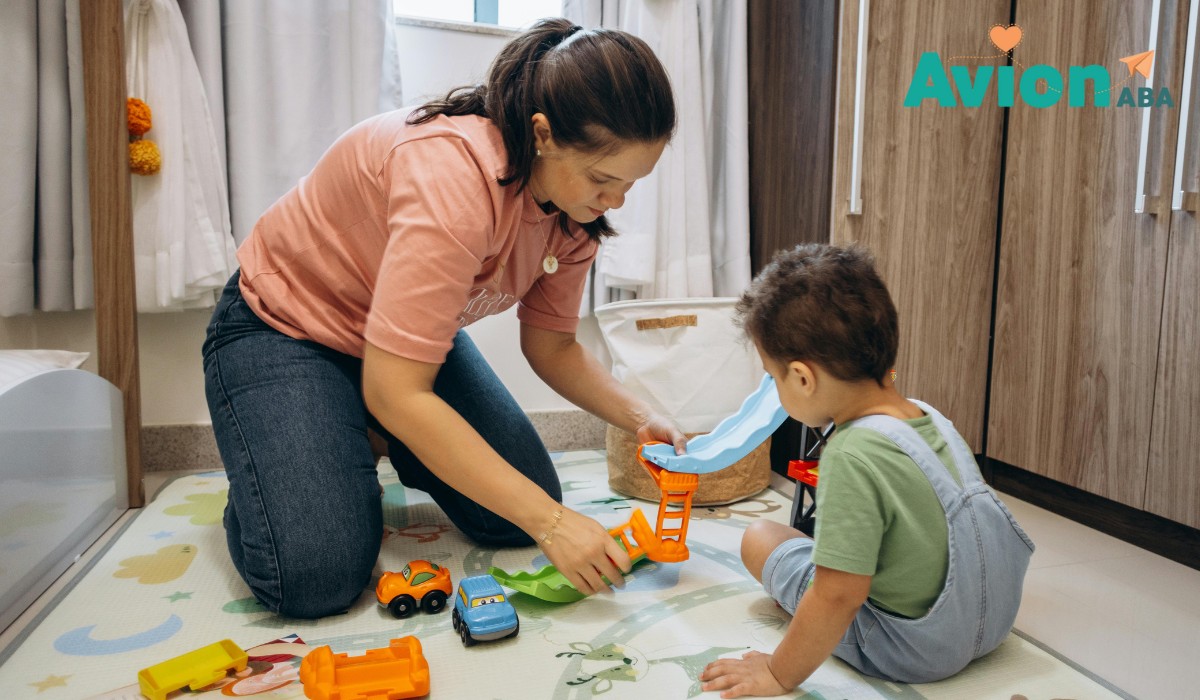
Supporting a child with autism at home requires a combination of structure, patience, and creativity. Here are some effective strategies to consider:
Children with autism often thrive on predictability. A structured routine provides a sense of security and helps reduce anxiety. Tips for creating a routine include:
Visual aids are powerful tools for communication and understanding. They can help children process information and follow instructions more effectively. Examples include:
Many children with autism have sensory sensitivities or seek sensory input. Sensory activities can help them regulate their emotions and stay engaged. Ideas include:
Communication can be a challenge for children with autism, but home is a great place to practice. Strategies include:
Applied Behavior Analysis (ABA) is a widely used therapy for autism. While professional guidance is essential, parents can adapt ABA principles at home. Techniques include:
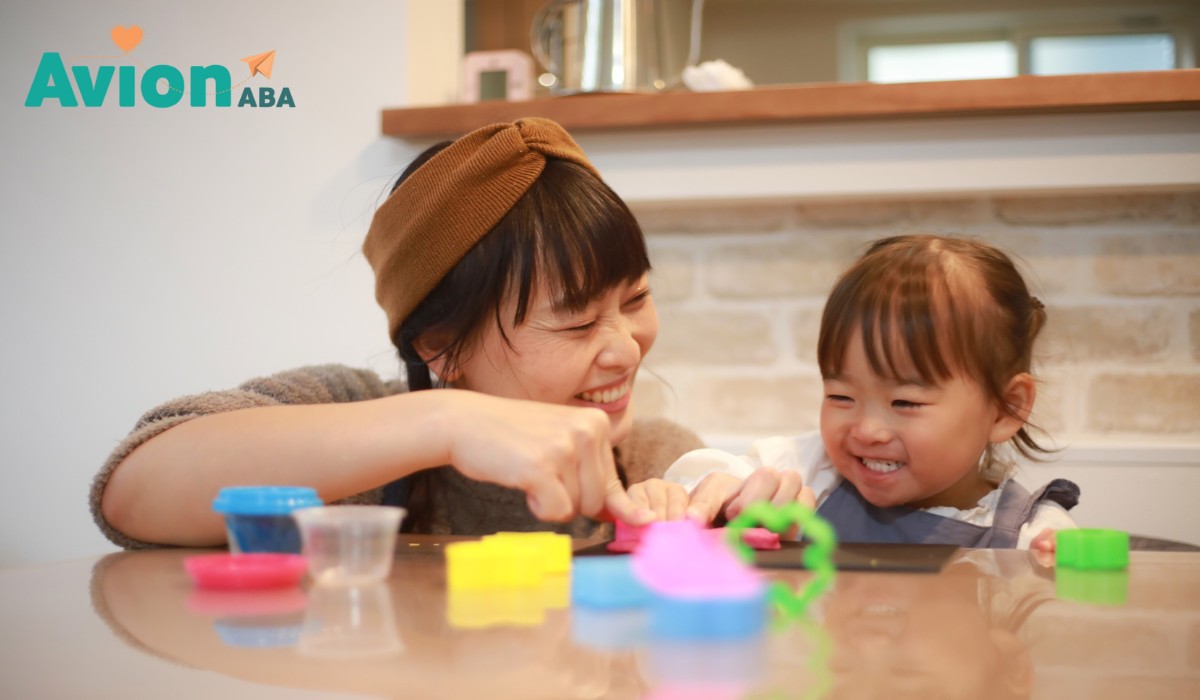
Challenging behaviors, such as meltdowns or aggression, are common in children with autism. Understanding the root cause is key to addressing these behaviors effectively. Here’s how to manage them at home:
Pay attention to patterns in your child’s behavior. Common triggers include sensory overload, changes in routine, or difficulty communicating needs.
Help your child learn healthier ways to express themselves. For example, if they hit when frustrated, teach them to use words or gestures instead.
Responding with patience and consistency helps your child feel secure. Avoid reinforcing negative behaviors by staying calm and redirecting their attention.
A supportive home environment is essential for effective therapy. Here are some tips to create a space that meets your child’s needs:
Create a quiet area where your child can retreat when feeling overwhelmed. Include calming tools like soft lighting, weighted blankets, or noise-canceling headphones.
Reduce clutter and sensory distractions in areas where your child learns or plays. This helps them focus and stay engaged.
Set up your home to promote independence. For example, use low shelves for toys or visual labels to help your child find what they need.
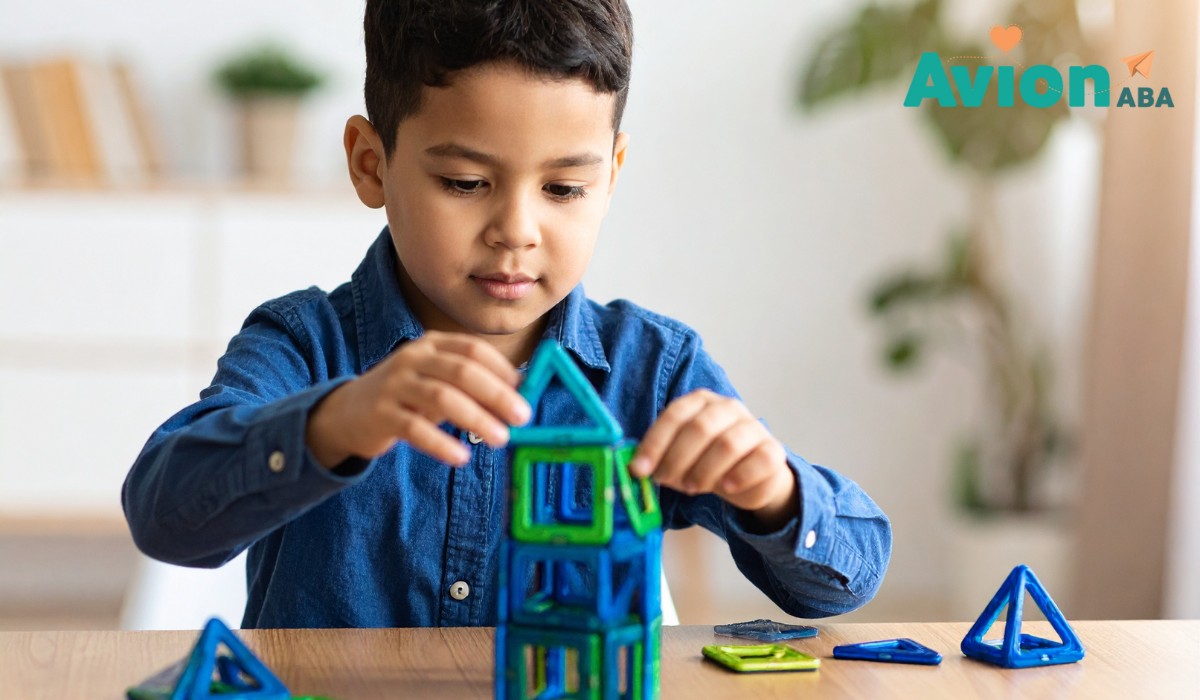
The idea of “how to cure autism at home” is a common misconception. Autism is a neurodevelopmental condition, not an illness to be cured. Instead, focus on therapies and strategies that help your child thrive. By creating a supportive environment and using evidence-based techniques, you can make a meaningful difference in their development.
While home-based strategies play a powerful role in your child’s progress, professional guidance ensures that growth stays consistent and goal-driven. At Avion ABA, we provide personalized ABA therapy in Utah, designed to meet each child’s unique needs and learning style.
Our dedicated team collaborates with families to create customized treatment plans that align with what you’re already practicing at home. If you’re seeking expert support to help your child build confidence, communication, and independence, contact us today—together, we can help your child thrive and create meaningful change that lasts.
Starting therapy for your child can feel like a big…
Read More
ABA therapy is most effective when families and therapists work…
Read More
When families begin exploring ABA services, one of the first…
Read More
Independence is an important goal for every child. Learning how…
Read More
Communication is one of the most important skills a child…
Read More