

Starting therapy for your child can feel like a big…
Read More
Key Points:
• ABA strategies help siblings understand autism and respond to challenging behaviors with confidence and compassion.
• Teaching structured communication, shared routines, and coping skills strengthens family dynamics and creates more positive interactions.
• Autism family support through ABA gives parents tools to reduce stress, improve sibling relationships, and build harmony in the home.
Growing up with a sibling who has autism can be rewarding and challenging at the same time. Many siblings want to understand their brother or sister more deeply, but they may feel confused, overwhelmed, or unsure of how to connect. Parents often search for guidance because they want their children to bond, communicate well, and feel secure.
ABA therapy offers clear, structured approaches that support not only the child receiving services but also their siblings. By teaching communication strategies, coping skills, and predictable routines, ABA can help siblings feel understood, included, and prepared. This creates a home environment where everyone thrives.
This article explores how ABA therapy supports siblings, strengthens relationships, and promotes a positive family dynamic rooted in understanding and teamwork.
Siblings of children with autism often navigate a wide range of emotions. Some feel protective and loving. Others feel confused when routines change or when their sibling behaves unpredictably. Some worry about fairness, attention, or how to communicate when their sibling has limited language.
These experiences are valid, and children need support to navigate them. Research shows that siblings of children with developmental disabilities may experience elevated stress levels if they lack structured support or guidance.
ABA therapy can help by teaching families how to create predictable routines, communicate clearly, and reinforce positive sibling interactions. When children understand what to expect and how to respond, they feel more confident and less overwhelmed.
Siblings often want to understand why their brother or sister acts differently. ABA helps parents explain autism in simple, age-appropriate ways.
You can use social stories, visuals, or sibling education sessions to help children understand sensory needs, communication differences, and behavior patterns. When siblings learn that certain behaviors are a form of communication, their empathy increases.
ABA teams sometimes include siblings in structured sessions so they can learn how to use supportive communication strategies. These might include giving clear prompts, modeling calm behavior, or using visuals during play. This strengthens the bond and helps siblings feel capable rather than confused.
Understanding is the foundation for healthier family dynamics. ABA provides the tools to build that understanding in a way children can follow and apply at home.
Cooperative play may be difficult when one sibling has limited communication or different sensory preferences. ABA strategies help bridge this gap by teaching play skills step by step.
Parents and therapists often begin with parallel play, where children play side by side with separate materials. Over time, they introduce shared actions such as taking turns, matching items, or completing a simple game together.
ABA uses modeling to demonstrate the expected play behaviors. A parent or therapist shows how to roll a ball back and forth, share toys, or complete a puzzle with a partner. Reinforcement is then used to encourage positive interactions.
Structured play dates at home provide siblings with predictable routines. Consistency helps children understand when to wait, when to share, and how to respond to each other. This lays the foundation for deeper, more joyful sibling relationships.
Communication challenges often affect family dynamics. When a child with autism struggles to express their needs, siblings may feel frustrated or unsure of how to help.
ABA therapy teaches children effective ways to communicate, and siblings can be included in these strategies. For example, siblings can learn how to use visual schedules, gestures, or simple phrases that their brother or sister understands.
Some children with autism respond well to prompts such as “Show me,” “Point,” or “Let’s take turns.” ABA practitioners can teach siblings when and how to use these cues. Practicing these communication tools at home reduces misunderstandings and helps interactions feel more predictable.
Sibling training sessions can also cover:
• how to recognize signs of overstimulation
• how to offer choices
• how to follow the child’s lead in play
These strategies build confidence and reduce stress for everyone involved.
Siblings often struggle when the household feels unpredictable. ABA therapy emphasizes routine, visual structure, and clear expectations. When routines are consistent, siblings feel more secure and know what to expect from their day.
Parents can use visual timetables for the entire family, not just the child receiving ABA. This benefits siblings by helping them understand transitions, shared responsibilities, and upcoming activities.
Predictability can also reduce sibling frustration. For example, if a child with autism becomes overwhelmed during loud activities, a visual reminder about quiet time can protect the sibling’s play experience and prevent conflict.
ABA also encourages teaching coping skills to all children in the home. Skills like deep breathing, counting, or using a quiet corner help siblings regulate their own emotions during challenging moments. This contributes to a calmer environment and healthier relationships.
Positive interactions develop through repeated practice. ABA therapy reinforces moments when siblings share, cooperate, help each other, or communicate respectfully.
Parents can set up brief, structured activities that encourage interaction. scavenger hunts, turn-taking board games, or simple building tasks work well. Reinforcement can be shared rewards, praise, or choosing the next activity together.
ABA teaches siblings to recognize when their brother or sister needs support. For example, a sibling might learn how to guide the child gently toward a preferred communication tool or help transition to a calming space.
These skills promote empathy and emotional maturity. Over time, siblings become more comfortable interacting because they understand both what to do and why it matters.
Many children with autism have behavior support plans created by their ABA team. When appropriate, siblings can learn small parts of the plan that help them respond safely and effectively.
Parents might teach siblings how to:
• ignore minor attention-seeking behaviors
• use a calm voice
• prompt functional communication
• avoid reinforcing unsafe behaviors
These strategies are taught in a way that protects the sibling’s emotional well-being. No child should feel responsible for managing their sibling’s behavior. Instead, they simply learn tools that reduce confusion and conflict in daily life.
This involvement also helps siblings understand what certain behaviors mean. Instead of feeling surprised or overwhelmed, they learn the reasons behind the behavior and the best way to respond.
Family routines create predictability and reduce stress. ABA helps families design routines that work for everyone, not just the child with autism.
Shared mealtimes, bedtime routines, and morning transitions can all be broken down into small steps. These steps are supported with visuals, modeling, and reinforcement.
Siblings benefit because consistent routines make the household feel more balanced. Everyone knows what to expect, and tasks feel manageable. This reduces conflict and strengthens the entire family system.
Parents can also involve siblings in small responsibilities that encourage cooperation. Helping set the table, organizing materials for activities, or assisting with simple schedule reminders can build a sense of teamwork.
Sensory sensitivities often affect how a child with autism interacts with others. ABA therapy helps families identify triggers and develop tools to manage sensory needs.
Siblings can be taught in simple terms how sensory experiences impact their brother or sister. For example, they might learn that loud noises are overwhelming or that certain textures feel uncomfortable.
Once siblings understand sensory needs, they can help create a calmer environment. They may offer headphones, dim lights, or choose quieter play options. These small actions reduce stress for the child with autism and allow siblings to feel included and supportive.
This collaboration fosters empathy and helps siblings feel proud of their contribution to a more comfortable home environment.
Siblings need support for their own emotional well-being. ABA-informed strategies can help them develop coping skills that reduce stress and support confidence.
Parents can teach siblings:
• simple relaxation strategies
• ways to ask for help
• how to express their feelings clearly
• how to take breaks during overwhelming moments
These coping skills benefit siblings now and in the future. They also reduce tension between siblings by providing healthy ways to navigate conflict or unexpected changes.
Coping strategies help siblings stay grounded, even during challenging behaviors or transitions.
The strongest families are those that understand each other and work together. ABA therapy provides tools that strengthen communication, routines, and emotional understanding.
When siblings learn how to connect with their brother or sister through structured play, communication techniques, and shared routines, their relationship becomes more natural. Parents experience less stress, and the home becomes a calmer, more predictable environment.
Families who use ABA strategies often notice improved teamwork, smoother daily transitions, and more positive moments between siblings. These changes lay the foundation for long-term connection and mutual support.
ABA therapy plays a meaningful role in building harmony at home. It supports siblings by helping them understand autism, interact confidently, and manage their own emotions. It strengthens communication, builds empathy, and encourages positive routines that benefit everyone.
With the right tools, families can grow together and create an environment where all children feel heard and supported. ABA therapy helps siblings develop the understanding and resilience they need to build strong, lifelong bonds.
Create a more connected and confident family with professional guidance. Avion ABA offers ABA therapy services in Utah that support not only children with autism but the family as a whole. If you’re ready to strengthen sibling relationships and build lasting communication skills, Avion ABA can help your family grow together with clarity and compassion. Get in touch with us today to get started!
Starting therapy for your child can feel like a big…
Read More
ABA therapy is most effective when families and therapists work…
Read More
When families begin exploring ABA services, one of the first…
Read More
Independence is an important goal for every child. Learning how…
Read More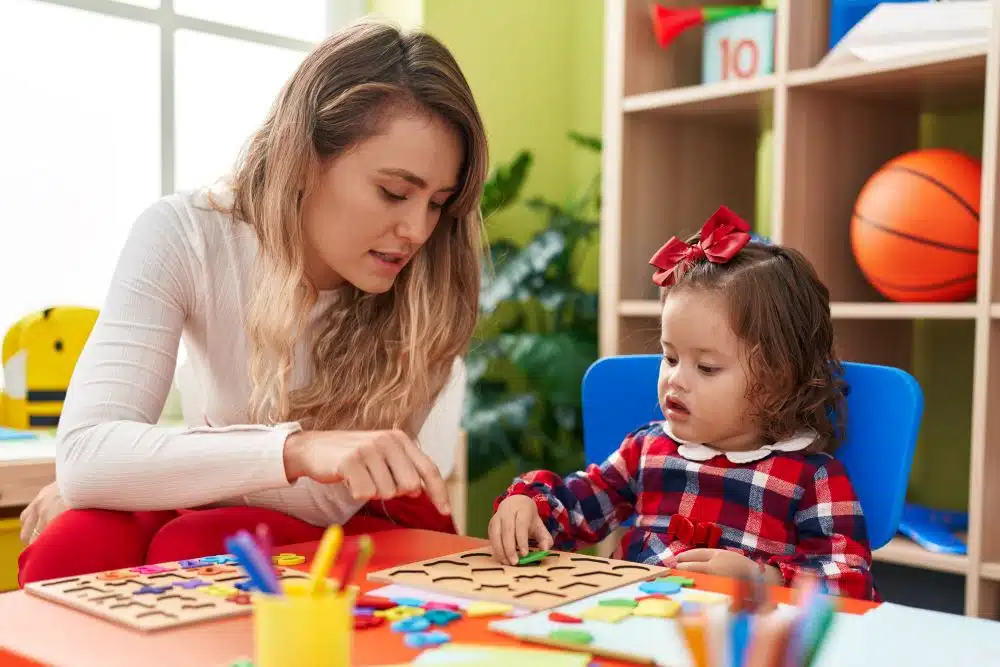
Communication is one of the most important skills a child…
Read More