Autism in Girls: Signs Often Overlooked by Parents
Key Points:
Girls with autism often present subtle social differences and mask their challenges, making signs harder to spot.
Early recognition of sensory sensitivities, intense interests, social exhaustion and emotional dysregulation enables timely support.
Providing a warm, understanding environment and tailored strategies empowers girls and helps bridge the support gap.
When parents think of autism, they often imagine overt behaviours – for example, limited speech, lining up toys, poor social engagement. But for girls on the autism spectrum those stereotypical markers may not appear as clearly. Instead, the signs can be quieter, more internalised and easily dismissed as shyness, anxiety or simply “being different”.
This article explores how autism can present in girls, what to look out for, why it is frequently missed, and what parents can do to offer early support and understanding. By recognising these often-overlooked signs you can help your daughter access the support she needs and thrive.
How autism shows differently in girls
Research shows that many screening tools and diagnostic criteria were developed based on male presentations of autism, meaning girls’ experiences are less visible and less understood.
Key differences in girls include:
A greater tendency to mask or camouflage autistic traits, mimicking peers, forcing eye contact, hiding stimming behaviours.
Social motivation: Some girls with autism truly want friendships and will try hard to fit in, which may hide the underlying challenges.
Interests that appear socially acceptable (e.g., animals, pop culture) but may be intensely focused and far beyond typical levels.
More internalised responses: rather than externalising behaviours like hyperactivity, girls may experience anxiety, depression, sensory overload or emotional shutdowns.
Because of these differences, parents and teachers may miss the signs or attribute them to personality or normal “girl behaviour”.
Key signs often overlooked by parents
Here are some of the less obvious indicators of autism in girls. While no one sign proves autism, combinations of them may warrant closer attention.
1. Social communication and interaction
While the girl may appear to manage conversations and eye contact, she may still struggle with subtler cues, such as tone of voice, facial expressions or maintaining friendships.
She may rehearse what to say in advance, create “scripts” for social situations or force eye contact though it feels unnatural.
She might have difficulty initiating play or interaction, seem overly compliant, or be described as “quiet”, “day-dreamy” or “shy” and therefore overlooked.
Peer relationships may be shallow, or she may have one close friend but struggle with broader peer groups or feel isolated despite appearing fine.
2. Restricted, repetitive patterns and intense interests
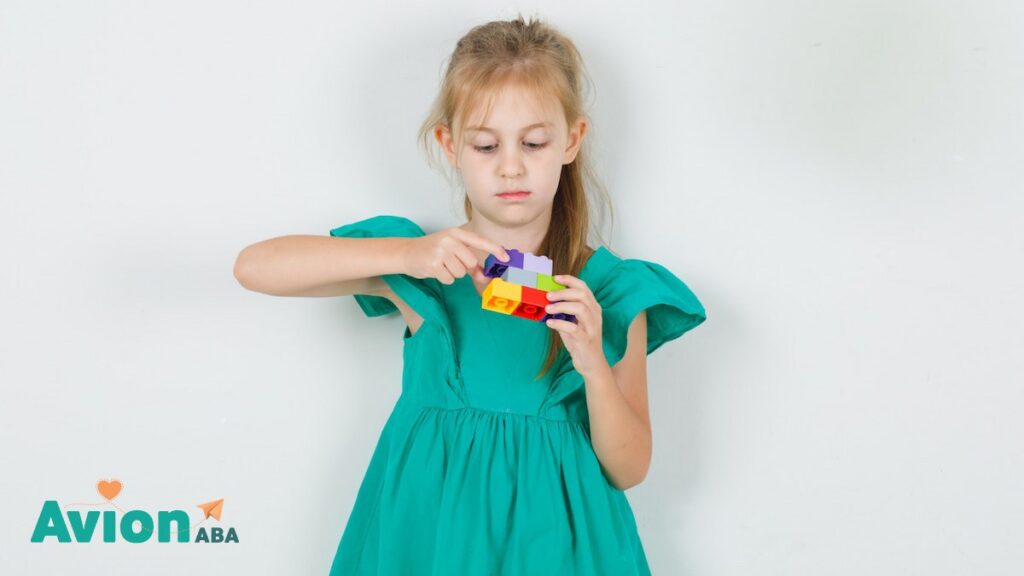
Her special interests may look “normal” for her age (for example horses, pop stars, fashion) but the intensity and focus may be far greater than typical.
She may have small repetitive behaviours or stims that are subtle: twisting hair, fiddling, repeating phrases, organising items obsessively.
Routines and transitions may be particularly challenging. A sudden change can lead to significant distress or meltdown even though outwardly she seems calm.
3. Sensory sensitivities and emotional regulation
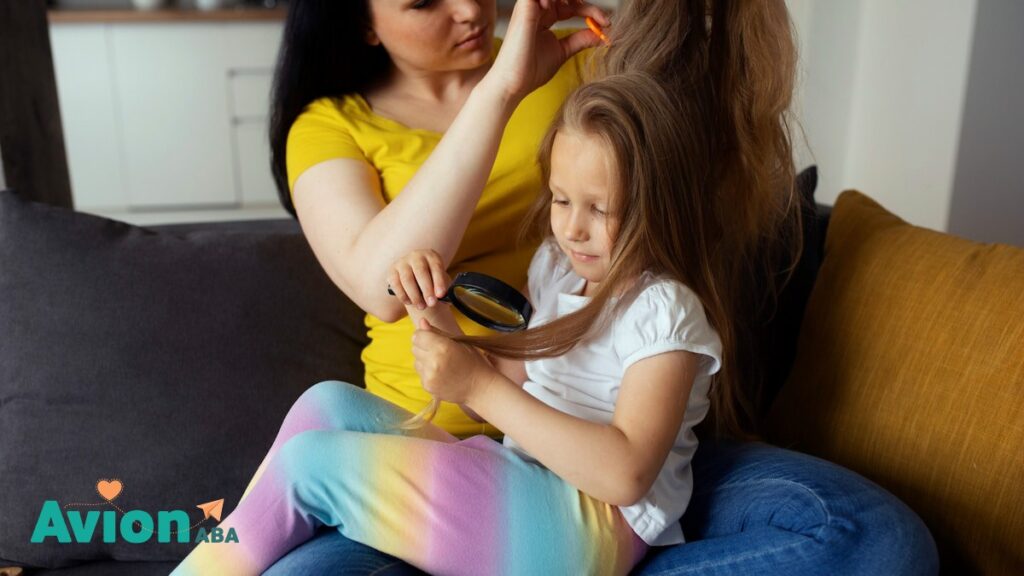
She may experience strong reactions to sensory input: lights, textures, smells, sounds or even the feel of clothing may cause discomfort or withdrawal.
She may become extremely fatigued after social events because maintaining masks and coping with overload takes a lot of effort. Social exhaustion is a strong indicator.
Emotional regulation may be more difficult than expected: despite appearing composed in public, at home she may have frequent meltdowns, be anxious or show signs of internalised distress (e.g., self-criticism, low self-esteem).
They may copy peers’ expressions, force eye contact, rehearse dialogue, suppress stims or hide their true reactions.
This masking means the difficulties may only become obvious later (teenage years or adulthood) and can lead to burnout, anxiety or depression.
5. Co-occurring conditions and risk of missed diagnosis
Because autism is often overlooked in girls, they may instead receive diagnoses of anxiety, depression, eating disorders or ADHD, while underlying autism remains unrecognised.
Their high language or academic skills may mask the core difficulties, causing adults to misattribute the challenges to personality, lack of confidence or external factors.
Why it matters and what parents can do
Why early recognition matters
Early recognition and support help girls learn coping strategies, understand their differences and access resources before difficulties become entrenched. Late or missed diagnosis can lead to years of confusion, low self-esteem, comorbid mental health issues and social exclusion.
When the school or home environment misunderstands the challenges, the girl may feel she is “just weird”, “too sensitive”, or “just anxious”, without realising the underlying reasons.
What you can do at home
Observe without comparing: If your daughter seems to struggle socially, sensory-wise or emotionally, note patterns over time rather than comparing her directly to peers.
Talk and listen: Create safe space for her to express what she finds difficult: this may be loud classrooms, groups of friends, change of plans, unfamiliar routines.
Support rest and recovery: After social events she may need quiet time. Label this as a normal need rather than a “bad mood”.
Validate intense interests: Encourage her interests even if they seem more intense than usual. These might be key gateways for connection, learning and self-confidence.
Work with educators: Share observations with teachers or school staff so that adjustments can be made (e.g., predictable routines, sensory considerations, flexible social groupings).
Encourage coping strategies: Simple sensory tools (earbuds, textured fabric, scheduled breaks), social scripts and rehearsals can reduce stress.
Know when to seek professional support: If she often appears exhausted, overwhelmed, anxious, withdrawn or struggles significantly with friendships, a professional evaluation might help determine if autism is underlying the challenges.
How to support her emotional and social growth
Build on strengths and interests: Use her passions to encourage social connection – clubs, groups centred around her interests are often less overwhelming.
Teach self-advocacy: Help her learn to recognise when she needs a break, when something is overwhelming and how to communicate that.
Foster mind-body awareness: Encourage to identify physical signs of stress: headache, stomach ache, restlessness, shutdown – so she can use a coping tool early.
Promote peer matches: One-to-one or small-group friendships where she feels safe may be better than large, less structured social settings.
Offer predictability + flexibility: Routines matter, but preparing her for change (what-if) helps build resilience and reduces the shock of surprise transitions.
Monitor mental health: Anxiety and depression often co-occur when autism goes undiagnosed. Early support reduces long-term impact.
Frequently Asked Questions
At what age can autism in girls be recognised?
Autism traits can be present in early childhood, but in girls recognition often occurs later because signs can be subtle and masked.
Will having only one of the signs mean my daughter has autism?
No, one sign alone does not mean autism. A combination of signs across social, sensory and behavioural areas together with functional challenges suggests evaluation.
Can support and therapy help even without a formal diagnosis?
Yes, many beneficial strategies (sensory tools, social-skills coaching, emotional regulation) can help regardless of diagnosis and can improve daily functioning.
Create a Plan That Celebrates Her Unique Way of Learning
Girls with autism often display subtle signs that go unnoticed for years, but early and accurate support can make all the difference. At Avion ABA, we understand the unique ways autism presents in girls, and how to build personalized strategies that meet their emotional and social needs.
Our team creates individualized ABA programs that encourage communication, self-expression, and confidence in every environment, from home to school. By working hand-in-hand with families, we help uncover strengths that may have been overlooked and provide guidance that promotes lifelong growth. If you suspect your daughter may need support, reach out to Avion ABA today, because understanding her world is the first step to helping her thrive.