


Starting therapy for your child can feel like a big…
Read More
Key Points:
If your child only wants to talk about space, animals, or numbers, you’re not alone. Autism fixated interests are more than just preferences—they’re a way of engaging with the world. By understanding the reasons behind these intense fascinations, you can turn them into valuable tools for learning and growth.
Fixated interests in autism are rooted in neurological differences that affect attention, sensory processing, and cognitive focus. Unlike fleeting hobbies, these interests provide deep comfort and engagement. Several key factors contribute to this phenomenon:
Children with autism often have heightened attention to detail and a strong ability to focus on specific topics for extended periods. This intense concentration can make certain subjects more appealing and rewarding.
Many children with autism experience sensory sensitivities. Engaging with a preferred interest can serve as a coping mechanism, helping to regulate overwhelming sensory input and provide a sense of stability.
Fixated interests often follow patterns, rules, or deep logical structures. Whether it’s memorizing train schedules, studying the periodic table, or collecting certain objects, these interests provide a sense of order in an often unpredictable world.
Fixations can also be a way for children with autism to connect with others. They may enjoy sharing their knowledge or finding peers who appreciate the same interests. However, challenges arise when conversations become one-sided or repetitive.

Fixated interests can vary widely from person to person, but some common themes emerge among children with autism. These interests may change over time or remain consistent throughout life.
Many children with autism develop a fascination with trains, buses, airplanes, or cars. They may memorize routes, study different models, or spend hours watching transportation videos.
Some children form deep connections with certain animals, learning everything about their habits, species variations, and behaviors. This could include dinosaurs, marine life, or specific breeds of dogs.
A strong preference for numbers, calendars, or letter formations is common. Some children enjoy reciting number sequences, solving puzzles, or memorizing historical dates with incredible accuracy.
Astronomy, geology, and physics are frequent areas of intense interest. A child might be able to name all the planets and their moons or explain scientific concepts beyond their age level.
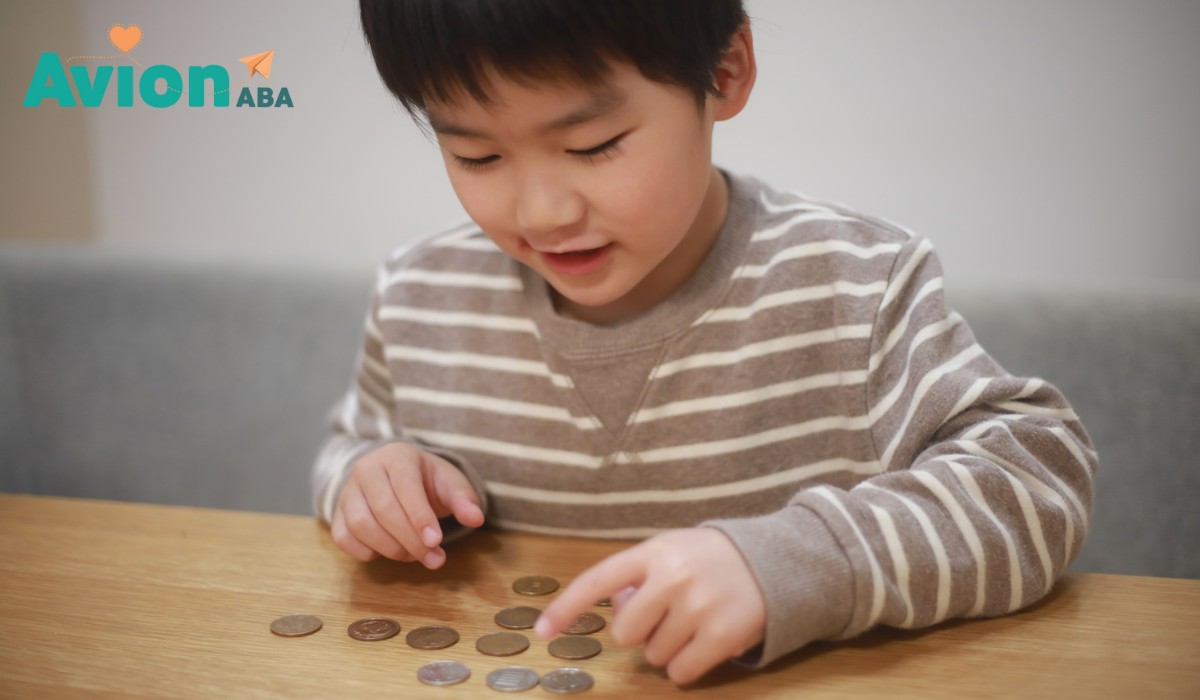
From coins and stickers to bottle caps and action figures, collecting can be a structured and deeply satisfying activity. The organization and categorization involved often appeal to children with autism.
Some children develop a strong attachment to specific TV shows, movies, or book series. They may memorize scripts, reenact scenes, or have an encyclopedic knowledge of a fictional universe.
A fascination with locations, maps, or world flags is another common area of interest. Children may be able to identify every country by its outline, flag, or capital city.
Fixated interests in autism can be both beneficial and challenging. On the positive side, they enhance learning, build expertise, and provide emotional comfort. A child deeply interested in science, for example, may develop advanced knowledge and problem-solving skills. These interests also offer a structured way to engage with the world.
However, challenges arise when fixations interfere with daily life. Some children struggle with social interactions, rigid behaviors, or neglect responsibilities due to their intense focus. If an interest becomes all-consuming, parents can help by setting limits, encouraging social engagement, and introducing related topics to expand their child’s world. Finding a healthy balance allows children to enjoy their passions while developing essential life skills.
Rather than discouraging a child’s passion, parents can guide these interests in ways that encourage healthy development. The goal is to integrate them into daily life without letting them become overwhelming or restrictive.
Create a schedule that allows time for the interest while ensuring other activities are prioritized. For example, set aside 30 minutes after homework for reading about trains or collecting stamps.
Incorporate fixations into academics. If a child loves space, use that interest to teach math (calculating distances between planets) or reading (space-related books). This can increase engagement and motivation.
Help children develop conversation skills by teaching them to ask others about their interests too. Social groups or clubs related to their passion can provide structured ways to share enthusiasm.
If a child is fixated on one narrow topic, gently introduce related subjects. For example, if they love sharks, introduce marine biology or ocean conservation topics to broaden their knowledge.
Encourage breaks from the interest and introduce other activities. Set timers or use visual schedules to help a child transition smoothly from one activity to another.

ABA therapy is highly effective in helping children with autism manage their fixations in a healthy and productive way. The goal is not to eliminate these interests but to integrate them into daily routines while teaching flexibility and social skills.
ABA therapy helps by:
Fixated interests are a defining aspect of autism, and when guided effectively, they can become powerful tools for joy, learning, and growth. If your child’s interests begin to interfere with daily routines or flexibility, ABA therapy can help create balance while still honoring what they love most.
At Avion ABA, we provide evidence-based ABA therapy in Utah that supports children with autism in building essential social, behavioral, and life skills. Our compassionate team tailors each program to your child’s unique strengths and challenges, helping them find confidence and independence in every area of life.
If you’re ready to help your child channel their special interests into positive growth, reach out to us today to learn more about our personalized autism services in Utah. Together, we can help your child thrive while embracing who they are.
Starting therapy for your child can feel like a big…
Read More
ABA therapy is most effective when families and therapists work…
Read More
When families begin exploring ABA services, one of the first…
Read More
Independence is an important goal for every child. Learning how…
Read More
Communication is one of the most important skills a child…
Read More