

Starting therapy for your child can feel like a big…
Read More
Key Points:
When you first hear “Applied Behavior Analysis (ABA),” it can sound technical or even intimidating. But at its heart, ABA is about helping children learn in ways that feel natural and meaningful—step by step, through positive reinforcement and tailored goals. Whether your child has just received an autism diagnosis or you’re exploring next steps, understanding when to start ABA therapy and what to expect can make the process feel more approachable and empowering.
Every parent wonders: Is it too early—or too late—to begin ABA therapy? The short answer is that earlier is generally better, but meaningful progress can happen at any stage of development.
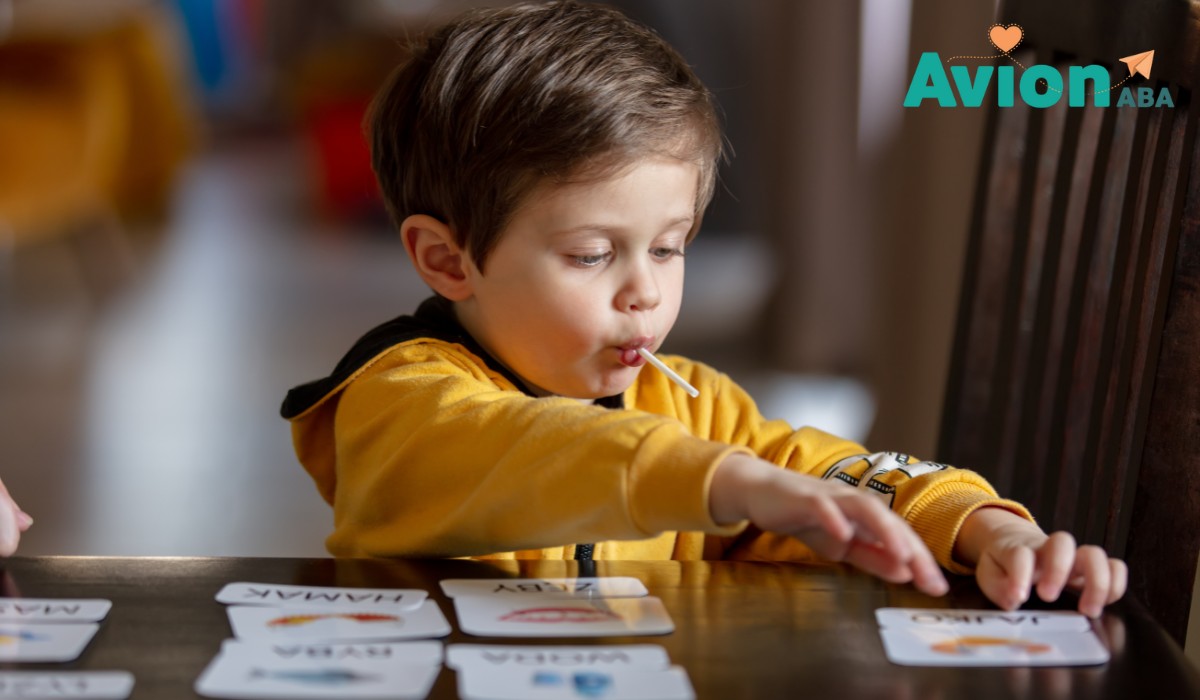
Research consistently shows that the earlier a child begins ABA therapy the greater the potential for skill growth. During these formative years, a child’s brain is highly adaptable, making it easier to shape new behaviors and learning patterns.
Early ABA therapy often targets foundational skills like communication, imitation, and social play. These early building blocks set the stage for later academic and emotional development. However, this doesn’t mean older children or teens can’t benefit. ABA techniques evolve with your child’s needs, whether that means improving self-management, social understanding, or daily living skills.
While every child’s timeline is unique, some indicators suggest ABA therapy may be helpful:
If these challenges feel familiar, it may be time to schedule an evaluation. Many parents find relief once structured support begins, because ABA doesn’t just help the child—it helps the whole family understand how to respond effectively.
Once you decide to start, you might wonder what ABA therapy actually involves. In reality, ABA isn’t one-size-fits-all—it’s an individualized approach tailored to your child’s strengths, challenges, and goals.
Therapy begins with a comprehensive assessment led by a Board Certified Behavior Analyst (BCBA). This includes observing your child’s play, communication, and behavior across settings. From there, the BCBA designs a personalized treatment plan that identifies:
Parents are an essential part of this process. You’ll help identify priorities and learn strategies to reinforce progress at home.
ABA sessions typically range from 10 to 40 hours per week, depending on your child’s needs. Sessions can occur in:
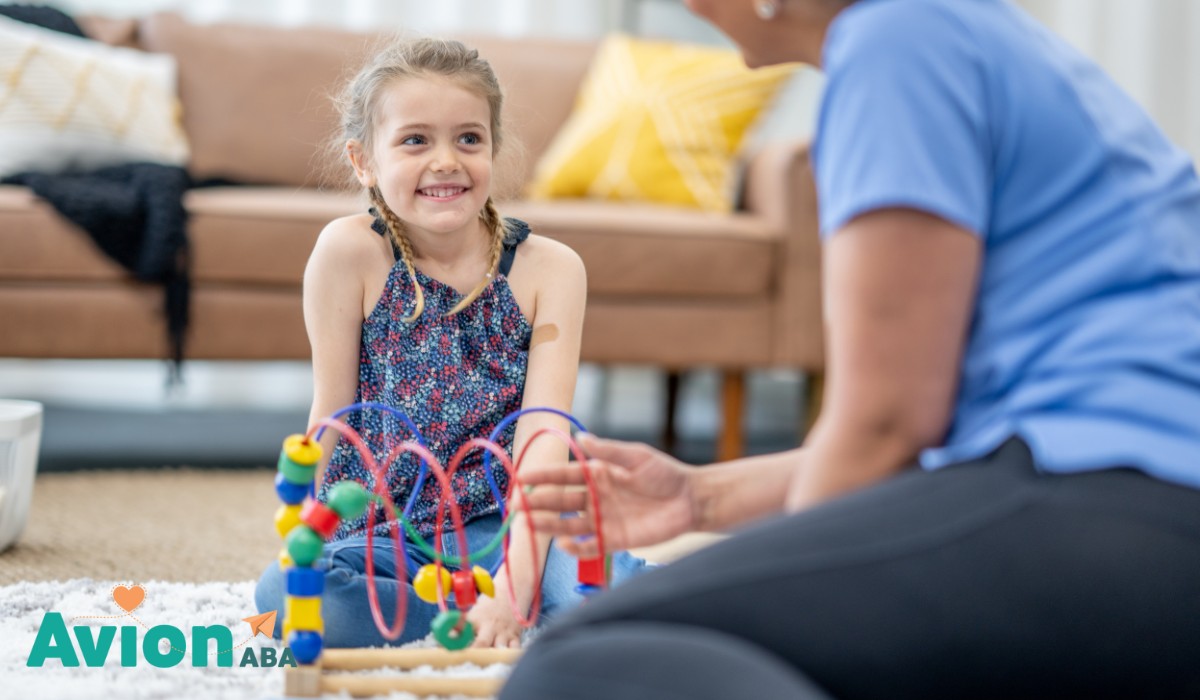
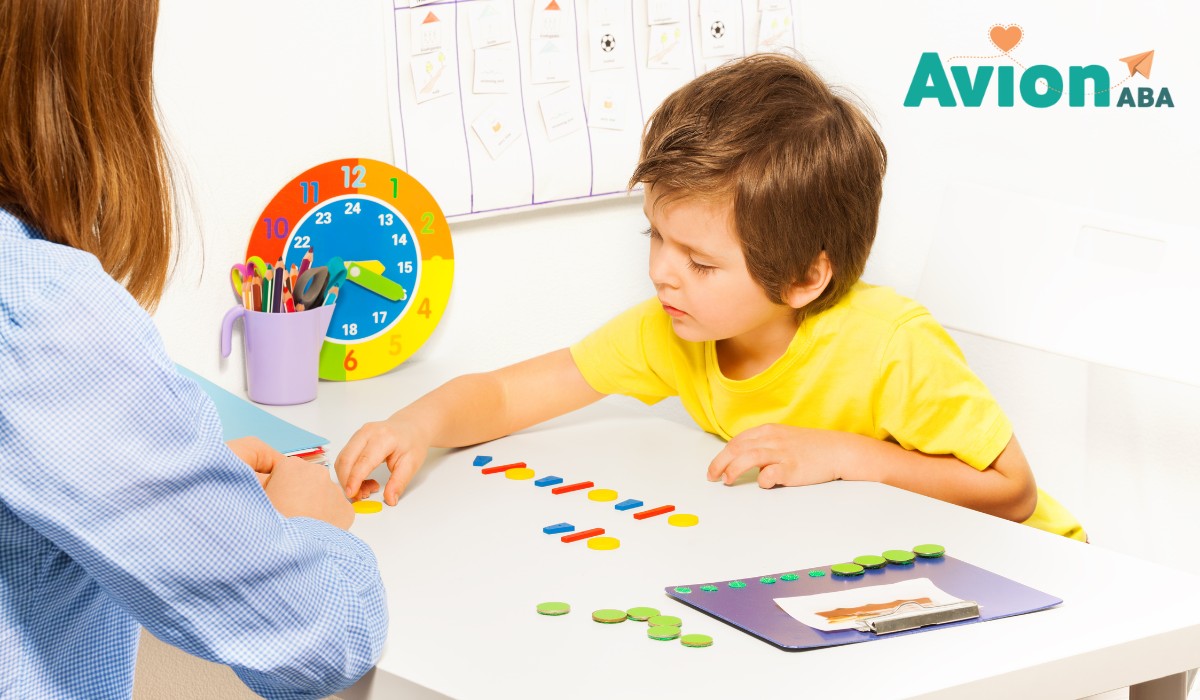
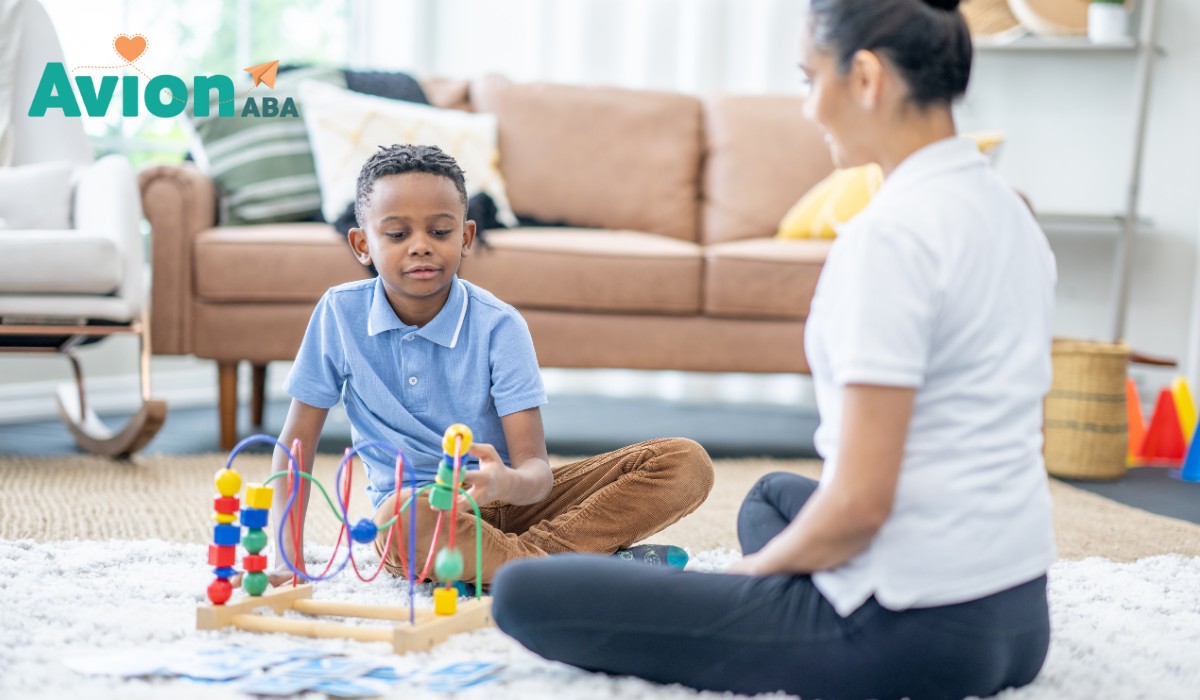
Each session involves structured teaching moments, natural play, and real-world practice. The therapist uses reinforcement—such as praise, tokens, or favorite activities—to encourage desired behaviors. Over time, reinforcement becomes more natural (like social praise) as the child internalizes new skills.
ABA therapy focuses on measurable, evidence-based outcomes. To help you understand what happens behind the scenes, here are the main elements that guide every program:
At its foundation, ABA looks at why behaviors occur. Therapists identify triggers (antecedents), behaviors, and results (consequences). By changing these patterns—like rewarding positive communication instead of tantrums—children learn new, more adaptive ways to meet their needs.
Instead of focusing only on reducing “problem” behaviors, ABA emphasizes teaching replacement skills. For example, a child who hits when frustrated might learn to ask for a break or use a “help” card instead.
Positive reinforcement is the heartbeat of ABA. It encourages children to repeat desired behaviors by pairing them with meaningful rewards—whether that’s playtime, verbal praise, or favorite snacks.
Progress is tracked continuously. Therapists collect data on each target behavior to see what’s working and where adjustments are needed. This ensures your child’s program remains flexible and responsive.
Programs like those offered by Avion ABA are structured yet nurturing—rooted in science but delivered with compassion. Their approach helps families see real, measurable change while maintaining a warm, child-centered environment.
ABA therapy isn’t a quick fix—it’s a process of steady, sustainable growth. Understanding what progress looks like helps set realistic expectations and prevents frustration.
While each child’s timeline varies, progress often follows these general stages:
ABA therapy is highly individualized, so there’s no universal timeline. Some families notice small improvements within weeks—like better eye contact or smoother transitions—while larger gains, such as sustained social interaction or language growth, may take months or years.
The key is consistency. Even small daily wins—making a request, following a new routine—represent meaningful progress.
Before starting therapy, parents often encounter mixed messages about what ABA is or isn’t. Let’s clarify some of the most common misunderstandings.
Modern ABA emphasizes flexibility and fun. Therapists integrate naturalistic teaching and play-based methods to keep sessions engaging.
While ABA addresses challenging behaviors, it’s equally focused on building communication, independence, and social confidence.
Though early intervention yields strong outcomes, older children, teens, and even adults can benefit from ABA principles. Programs evolve to focus on life skills, social understanding, and self-management.
Your involvement is the backbone of success. The more therapy strategies are woven into daily routines, the faster progress happens.
Here are actionable ways parents can reinforce ABA principles at home:
When parents and therapists work together, children experience consistency across environments. This is where the most lasting change happens.
Beyond immediate skill gains, ABA therapy sets the foundation for lifelong development. Over time, children often experience:
These outcomes reflect not just learned behaviors but deeper confidence and understanding of how to interact with the world.
Starting ABA therapy can feel like a big step—but it’s also the beginning of something truly meaningful. Every small moment of progress, from a first word to a shared smile, is worth celebrating. Growth happens gradually, but each milestone reflects your child’s incredible potential.
At Avion ABA, we walk this journey with you—offering a blend of guidance, structure, and genuine care. Our team designs individualized programs that meet your child right where they are, turning everyday moments into opportunities for learning, connection, and confidence.
If you’re considering ABA therapy in Utah, we’re here to help you take that next step. Get in touch with us today to learn how personalized ABA strategies can empower your child to thrive. Together, let’s build a path of progress and possibility—one that helps your child grow with confidence and joy.
Starting therapy for your child can feel like a big…
Read More
ABA therapy is most effective when families and therapists work…
Read More
When families begin exploring ABA services, one of the first…
Read More
Independence is an important goal for every child. Learning how…
Read More
Communication is one of the most important skills a child…
Read More