


Starting therapy for your child can feel like a big…
Read More
Key Points:
Some children rock, flap, or spin, while others fixate on specific topics or follow rigid routines. These behaviors aren’t random—they serve a purpose. Restricted and repetitive behaviors in autism can be soothing, expressive, or even overwhelming. Recognizing their role can help parents guide their child’s development while respecting their needs.
Restricted and repetitive behaviors can be broadly categorized into different types. Each child may display these behaviors differently based on their unique sensory and cognitive needs.
Many children with autism engage in repetitive body movements, often as a way to self-soothe or process sensory input. Common examples include:
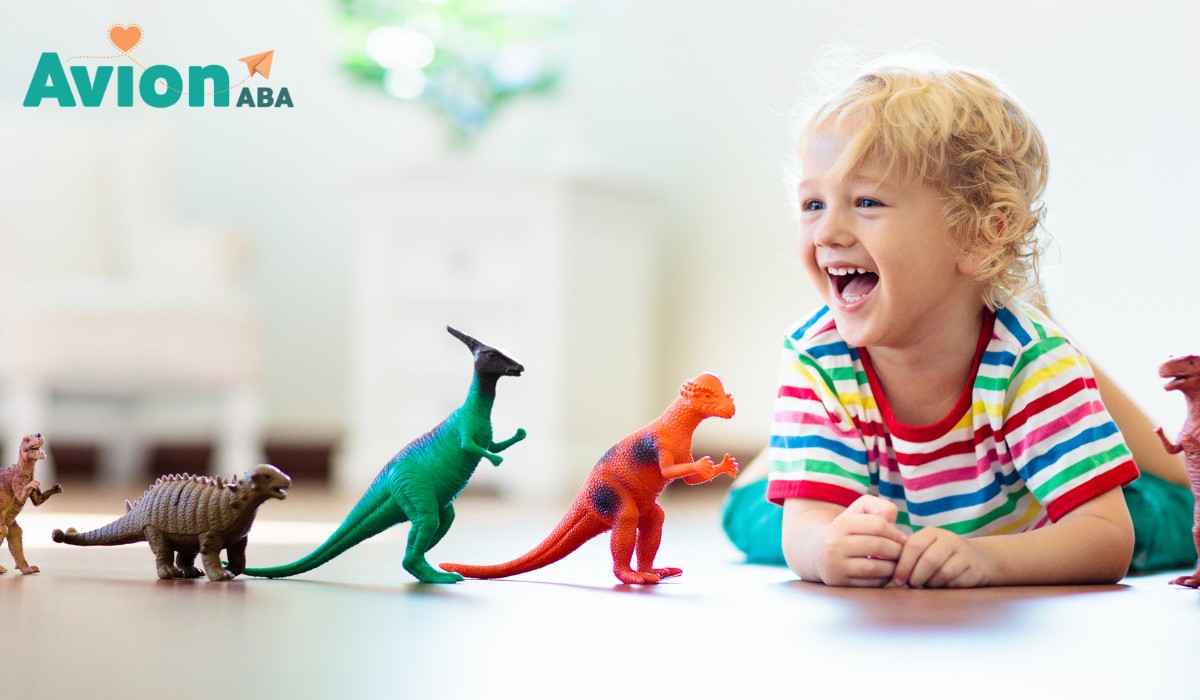
Some children engage in repetitive behaviors involving toys or everyday objects. These actions are often structured and may appear rigid. Examples include:
Many children with ASD rely on predictable routines to feel secure. Disruptions to these routines can cause significant distress. Examples include:
Some children with autism develop intense interests in specific topics or objects. These interests can be a source of joy and learning but may also limit engagement in other activities. Examples include:
Speech patterns in children with autism can sometimes include repetition of words or phrases. This can be a way to process language or communicate needs. Examples include:
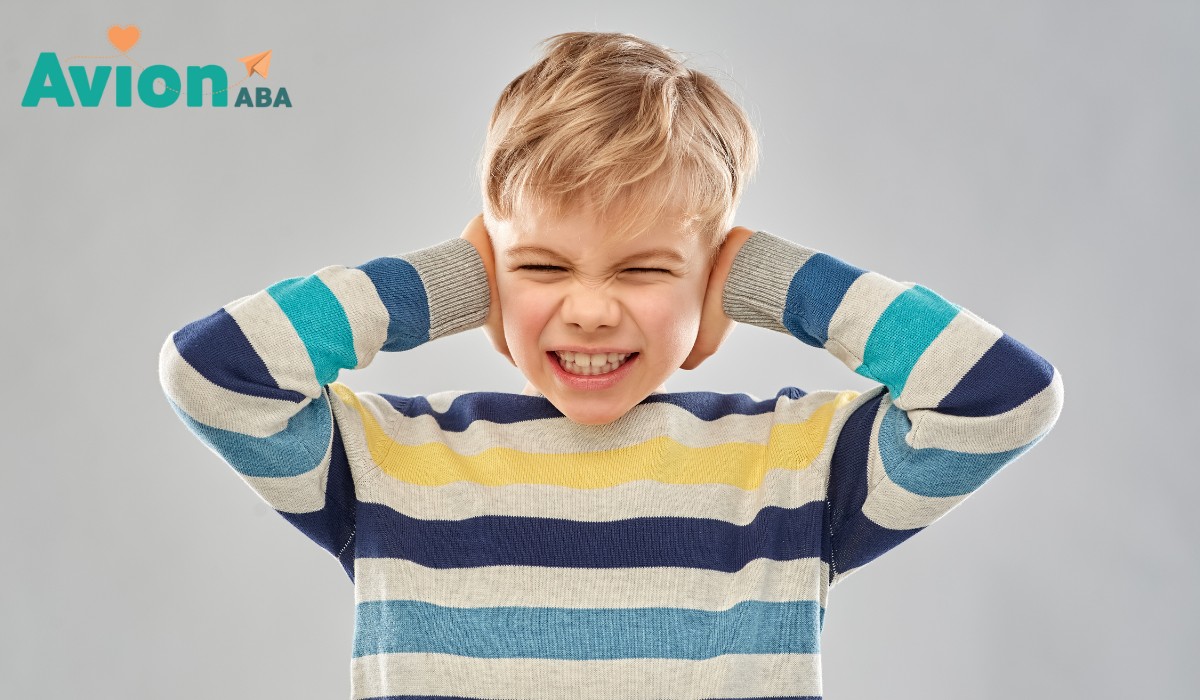
While repetitive behaviors may seem unusual to neurotypical individuals, they often serve important purposes for children with autism. Understanding the reasons behind these behaviors can help parents and caregivers respond effectively.
Many repetitive behaviors help children regulate sensory input. Some children may engage in self-stimulatory behaviors (stimming) to seek sensory stimulation, while others may use these behaviors to block out overwhelming stimuli. For example:
Repetitive behaviors often serve as a coping mechanism for anxiety, frustration, or excitement. When a child feels overwhelmed, engaging in familiar movements or routines can provide a sense of control.
For nonverbal or minimally verbal children, repetitive speech (echolalia) or gestures may be a way to communicate emotions, needs, or interests. Some children use repeated phrases to express excitement or frustration when they struggle with spontaneous language.
Children with autism often thrive in structured environments. Engaging in rigid routines or repetitive actions helps them feel secure by reducing uncertainty. Disruptions to these patterns can cause stress and lead to meltdowns or withdrawal.
Not all repetitive behaviors require intervention. Some are harmless and serve a beneficial role in self-regulation. However, intervention may be necessary when:
In these cases, behavioral interventions like Applied Behavior Analysis (ABA) therapy can help by teaching alternative coping strategies and redirecting disruptive behaviors.
Managing autism restricted repetitive behaviors requires patience, understanding, and tailored strategies that support a child’s unique needs. Here are some effective approaches:
Understanding the purpose behind a repetitive behavior can help determine whether it should be redirected or supported. Keep a journal of when and why certain behaviors occur to identify patterns.
If a child engages in repetitive behaviors due to sensory needs, providing alternative activities can help. Some ideas include:
Since many repetitive behaviors stem from a need for structure, maintaining a predictable daily schedule can reduce anxiety. Using visual schedules or timers can also help ease transitions.
For children who use echolalia or repetitive speech to communicate, introducing alternative communication methods can be helpful. Picture exchange systems (PECS), sign language, or speech therapy can improve spontaneous communication.
For children resistant to change, slow and structured exposure can help them adjust. For example, if a child eats only one type of food, introducing small variations over time can increase flexibility.
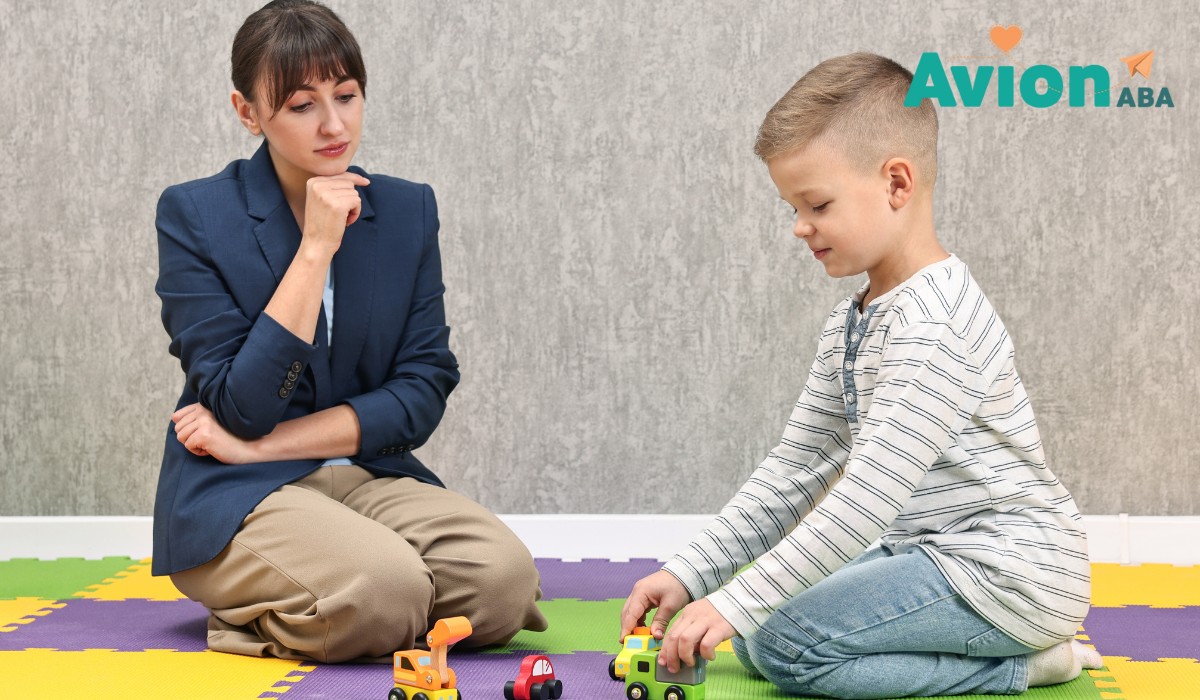
Applied Behavior Analysis (ABA) therapy is one of the most effective approaches for helping children with autism develop adaptive behaviors while reducing those that interfere with daily life. ABA therapy can:
If your child’s repetitive behaviors are affecting daily routines, ABA therapy can offer structured, evidence-based strategies that make a real difference. At Avion ABA, we design personalized programs to help children with autism thrive through positive, consistent support. Our compassionate team guides families in understanding behaviors, building new skills, and celebrating progress—every step of the way.
Ready to see how our ABA therapy in Utah can support your child’s growth? Contact us today to learn more about our tailored services. Together, we can help your child gain confidence while embracing their unique strengths.
Starting therapy for your child can feel like a big…
Read More
ABA therapy is most effective when families and therapists work…
Read More
When families begin exploring ABA services, one of the first…
Read More
Independence is an important goal for every child. Learning how…
Read More
Communication is one of the most important skills a child…
Read More