


Starting therapy for your child can feel like a big…
Read More
Key Points:
Your child’s first words, eye contact, and playful interactions are exciting milestones. But what if those moments don’t happen as expected? If you’ve noticed delays in communication or repetitive behaviors, you’re not alone. Many parents ask, “When do symptoms of ASD usually appear?” Recognizing early signs helps with timely support.
Signs of autism typically become evident between 12 and 24 months of age, though some behaviors may be noticeable as early as six months. By 18 months, delays in communication, social skills, and repetitive behaviors may become more pronounced. However, some children may not receive a diagnosis until later if their symptoms are subtle or misattributed to other developmental differences.
Parents should look for early developmental red flags such as:
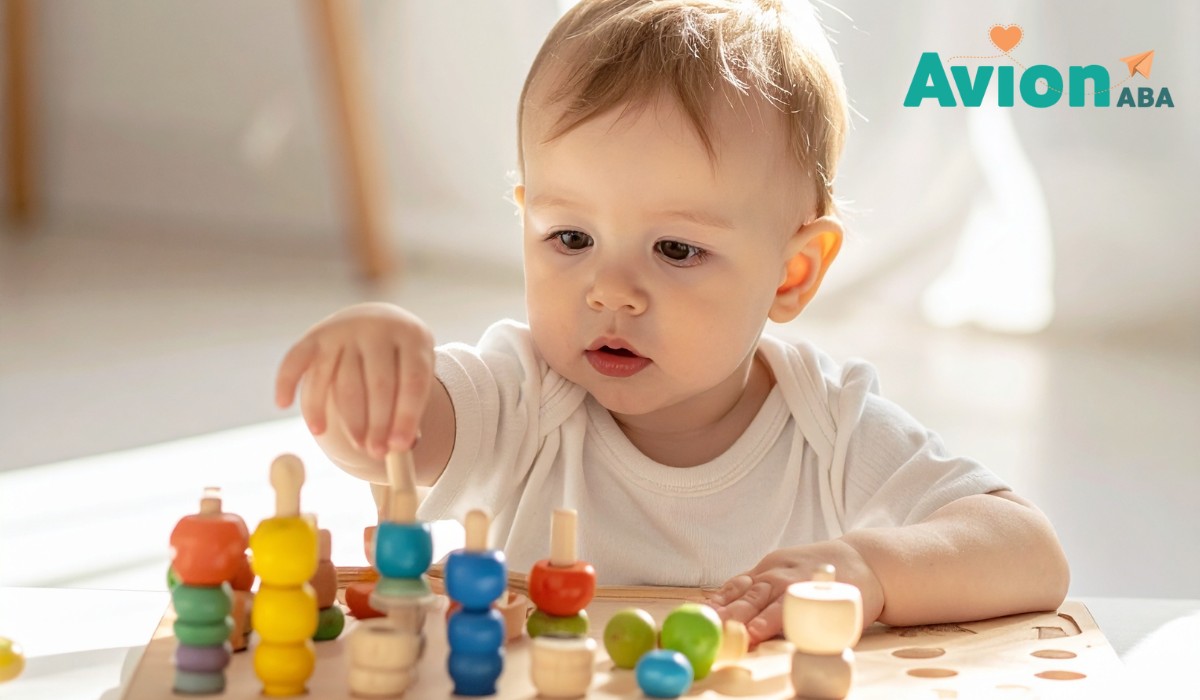
Autism presents differently in each child, but certain behaviors in infancy and toddlerhood may indicate the need for further assessment.
Many children with autism show early difficulties with social interaction and communication, including:
Children with ASD may engage in repetitive behaviors or have unusual interests, such as:
Sensory processing differences are common in children with autism. Some signs include:
Diagnosing Autism Spectrum Disorder (ASD) involves multiple steps, as no single medical test can confirm it. Instead, specialists rely on behavioral observations, developmental screenings, and in-depth evaluations to determine if a child meets the criteria for autism.
The diagnostic process typically includes:
Early diagnosis is crucial because starting intervention sooner leads to better outcomes in communication, learning, and independence. If concerns arise at any age, seeking an evaluation promptly is the best course of action.
Early intervention is one of the most effective ways to help children with autism develop essential skills. The brain is most adaptable in the first few years of life, making early support critical for improving communication, social interactions, and independence. Research shows that children who receive therapy before the age of three often make greater progress compared to those who start later.
Early intervention provides structured learning opportunities tailored to a child’s specific needs. It can help with:
In the long run, starting therapy early can lead to improved academic success, stronger relationships, and greater independence in adulthood. The sooner support begins, the better the long-term outcomes.
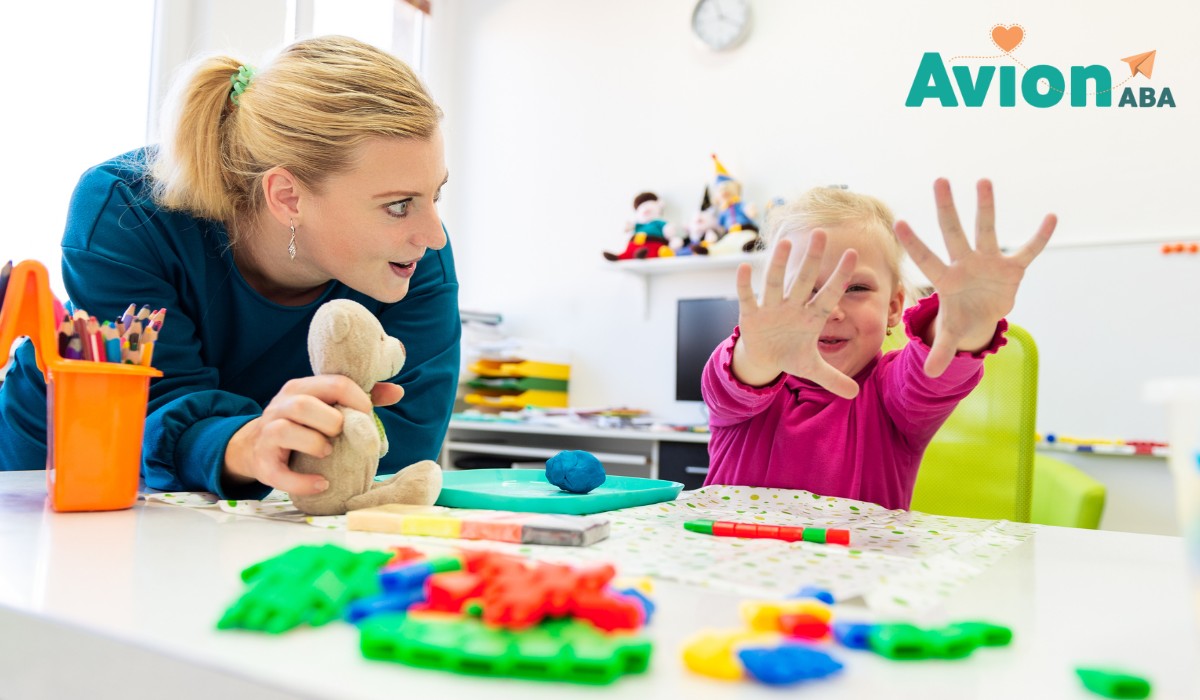
Applied Behavior Analysis (ABA) is a widely used and research-backed approach to helping children with autism develop essential life skills. It focuses on improving communication, social interactions, and adaptive behaviors through structured, individualized learning.
One of the primary goals of ABA therapy is to enhance communication skills, whether through verbal speech, sign language, or other forms of expression. Many children with autism struggle to communicate their needs, which can lead to frustration. ABA helps them build the skills necessary to express themselves effectively.
ABA therapy also teaches social and play skills, which are often challenging for children with ASD. Through guided interactions, they learn how to engage with peers, share, take turns, and respond appropriately in social situations. These skills are vital for making meaningful connections.
Another key benefit of ABA therapy is reducing challenging behaviors and reinforcing positive ones. Many children with autism exhibit repetitive actions, self-stimulatory behaviors, or difficulties with transitions. ABA uses evidence-based strategies to replace disruptive behaviors with functional alternatives.
If you’ve noticed early signs of autism in your child, acting early can make a lasting difference in their growth and learning. With the right guidance and support, children with ASD can strengthen communication, social, and everyday life skills. Applied Behavior Analysis (ABA) therapy remains one of the most effective, research-supported methods for helping children with autism thrive in meaningful ways.
At Avion ABA, we offer personalized ABA therapy tailored to your child’s unique strengths, challenges, and family goals. Our dedicated team collaborates closely with parents to build individualized treatment plans that nurture progress in a positive, encouraging setting.
We’re proud to support families through ABA therapy in Utah and nearby communities. Contact us today to discover how our programs can help your child learn, grow, and reach their full potential.
Starting therapy for your child can feel like a big…
Read More
ABA therapy is most effective when families and therapists work…
Read More
When families begin exploring ABA services, one of the first…
Read More
Independence is an important goal for every child. Learning how…
Read More
Communication is one of the most important skills a child…
Read More